How to avoid hidden rubbish removal charges Bow
Posted on 10/10/2026
If you are trying to work out how to avoid hidden rubbish removal charges Bow, you are probably already wary of the classic trap: a quote that looks fine at first, then grows once the team turns up. Truth be told, that is exactly where most frustration starts. The good news is that hidden fees are not some mysterious industry secret. In most cases, they happen because key details were missed, assumptions were made, or the scope of the job was not pinned down properly.
This guide walks you through the practical stuff: what hidden rubbish removal charges usually cover, how to spot them before you book, what to ask, what to compare, and how to keep everything clear from the first call to the final load. If you are clearing a flat near Bow Road, dealing with builders waste, or just trying to get rid of a bulky pile that has somehow grown in the hallway, the same rules apply. Clear information first. Surprises later? Ideally, none.
Before we get into the detail, if you want to compare service types or understand the wider offer, it can help to look at the broader services overview alongside the pricing information. That way, you are not judging a quote in a vacuum.
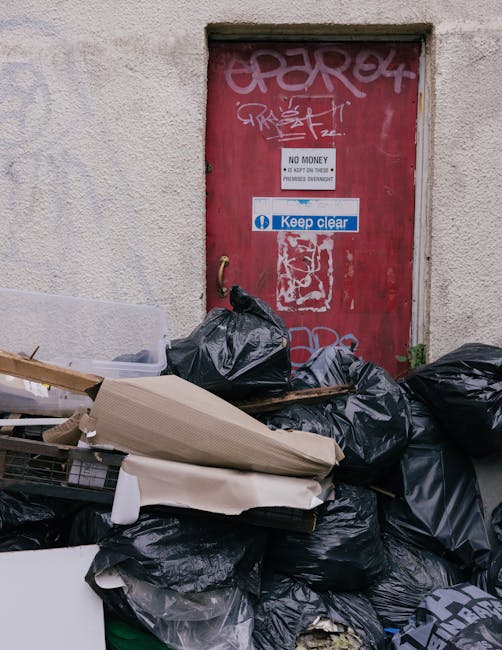
Why How to avoid hidden rubbish removal charges Bow Matters
Hidden charges are not just annoying. They can change how you plan a move, renovation, probate clear-out, or end-of-tenancy handover. In a busy area like Bow, where parking can be tight and access can be awkward, small assumptions can turn into added labour, waiting time, or extra disposal costs. That is why understanding the pricing structure matters just as much as the removal itself.
A lot of people focus only on the headline price. Fair enough. We all do it. But rubbish removal is one of those services where the headline number may only tell part of the story. The real cost usually depends on volume, weight, waste type, access, labour time, and whether special handling is needed. If you know those moving parts in advance, you are in a much stronger position to avoid being caught out.
There is also a trust angle here. A transparent quote tends to reflect a transparent business. That does not mean every low price is dodgy, and every higher price is generous. It just means you should be able to understand what you are paying for without having to decode it like a railway timetable on a damp Monday.
In practical terms, the point is simple: when you know how rubbish removal is priced, you can compare providers properly, challenge vague wording, and make a fair choice based on real value rather than guesswork.
How How to avoid hidden rubbish removal charges Bow Works
Let's break it down. Most hidden charges appear because a quote is built from incomplete information. A provider may give you an estimate based on what you said over the phone, but once they see the actual job, the scope is larger or more awkward than expected. That does not automatically mean the provider is acting badly. Sometimes the initial details really were incomplete.
Typical pricing factors include:
- Volume of waste - how much space the rubbish takes up in the vehicle.
- Weight - especially relevant for rubble, soil, tiles, and other dense materials.
- Type of waste - general household waste, furniture, white goods, garden waste, or builders waste may be priced differently.
- Access - stairs, narrow hallways, no lift, long carry distances, or difficult parking can all add time.
- Labour required - a quick curbside collection is not the same as a full flat clearance.
- Special items - mattresses, fridges, paint, electricals, and mixed waste can require separate handling.
- Timing - same-day or out-of-hours requests may carry a premium.
The key thing to understand is that a fair quote should explain which of those factors are included and which are not. If a company is vague about that, you have less protection when the job changes on site.
In Bow, this is particularly relevant for properties around busier streets, upper-floor flats, shared entrances, and older buildings with tighter access. A job that sounds straightforward over the phone may be a little more involved once the team is carrying bags down three flights and navigating a parked-in loading bay. Happens all the time, honestly.
Key Benefits and Practical Advantages
Getting pricing clarity before the job starts has real, practical benefits. It is not just about saving money, although that is obviously a big one.
- You can budget properly. If you are moving home, clearing a rental, or managing a renovation, you need the rubbish removal cost to be predictable.
- You avoid awkward surprises. Nobody enjoys a conversation about "extra labour" when the van has already arrived.
- You can compare providers more fairly. A transparent quote lets you compare like with like instead of comparing apples with a mystery box.
- You reduce delays. Clear photos and item lists mean fewer back-and-forth calls and fewer issues on the day.
- You improve service fit. Some jobs are better suited to a full clearance, others to a simple collection. Pricing clarity helps you choose correctly.
- You protect the value of the job. If the quote is properly scoped, the final cost is more likely to match the service delivered.
Expert summary: The easiest way to avoid hidden rubbish removal charges is to make the job measurable before anyone turns up. Photos, item counts, access notes, and waste type details are the foundation. Everything else flows from that.
There is a quieter benefit too. Once the pricing is clear, the whole process feels calmer. You stop second-guessing and can focus on getting the place cleared. That alone is worth quite a lot.
Who This Is For and When It Makes Sense
This matters to a wide range of people in Bow. If you see yourself in any of the situations below, it is worth being extra careful about hidden charges.
- Homeowners dealing with loft clutter, garden waste, old furniture, or post-renovation debris.
- Tenants who need to leave a property tidy before the final inspection.
- Landlords and agents arranging end-of-tenancy clearances or fly-tip removal.
- Tradespeople who need builders waste removed quickly without disrupting the job site.
- Businesses clearing office waste, stock, or bulky items without operational hassle.
- People handling probate or downsizing where the job can become larger than expected very quickly.
It makes sense any time the job is more than a simple bin bag collection. If you have mixed waste, awkward access, or a property that has not been fully measured up in advance, extra charges become more likely unless you ask the right questions early.
A small real-world example: a client might say, "It's just a few bits from the flat." Then the team arrives and finds a sofa, wardrobe, broken desk, stacked bags, and a couple of appliances tucked behind a door. Not a disaster. Just a mismatch. And that mismatch is where the invoice can change.
Step-by-Step Guidance
If you want a practical route to a clean, predictable quote, follow this process. It is not glamorous, but it works.
1. Make a full list of what needs removing
Do not say "general rubbish" if you can avoid it. List the major items and group smaller waste by type. For example: two sofas, one mattress, six bin bags, one washing machine, and a pile of cardboard. The more specific you are, the less room there is for assumptions.
2. Take clear photos from different angles
Photos help providers judge volume, access, and item type. Include wide shots and close-ups. If there is a basement, loft hatch, narrow staircase, or rear garden access through the house, show that too. It feels obvious once you do it, but people forget this all the time.
3. Explain access honestly
Be direct about parking, lifts, staircases, entry codes, loading restrictions, and walking distance from the van to the waste. In Bow, access can be the quiet little detail that makes all the difference. A provider can only price what they know.
4. Ask what the quote includes
Ask whether the price covers labour, loading, disposal, VAT if applicable, and any fees for specific waste types. If the answer sounds fuzzy, keep asking until it does not. You are not being awkward. You are protecting your budget.
5. Confirm what might trigger extra charges
Good questions include:
- What happens if there is more waste than estimated?
- Is there a surcharge for heavy items or mixed materials?
- Are there extra fees for difficult access or waiting time?
- Do you charge more for mattresses, fridges, or electrical items?
- Is the quote fixed, or estimated?
6. Compare total cost, not just headline price
One company may look cheaper until you add labour or access fees. Another may appear more expensive but include everything. Compare the full picture. That is the bit that matters.
7. Get the terms in writing
You do not need a 20-page document. But you do want the agreed scope, pricing basis, and any assumptions written down by email or message. That simple step can save a lot of confusion later on.
Expert Tips for Better Results
Here are the small things that make a big difference. These come from the sort of details people often miss.
- Use one point of contact. If three people are giving the provider different descriptions of the job, the quote will probably wobble.
- Measure bulky items roughly. You do not need workshop precision. But a sofa, wardrobe, or chest freezer should not be a mystery.
- Separate keep, remove, and maybe. The "maybe" pile is where jobs get messy, so deal with it before collection day if you can.
- Ask whether the company sorts and recycles. This does not just help sustainability; it can also explain why certain items cost more to process.
- Be cautious with urgent bookings. Same-day service is useful, of course, but rushed jobs are where people forget to mention the heavy filing cabinet in the corner.
One useful habit is to send a short written summary after you speak to the provider: what is being removed, where it is, any access issues, and what you think the agreed price covers. That single message can prevent a lot of he-said-she-said later.
Another tip: if the property is in a busy part of Bow, check whether there is likely to be a parking constraint at the collection time. Even a few extra minutes of unloading can affect the final job if the provider has priced tightly. It is not dramatic. Just practical.
To be fair, the best companies do not mind detailed questions. They usually prefer them. It helps them give you an honest quote first time, which is what everyone wants.

Common Mistakes to Avoid
A lot of hidden rubbish removal charges can be prevented simply by avoiding a few common mistakes. Here are the big ones.
- Only describing the waste in vague terms. "A load of rubbish" is too broad.
- Forgetting access details. Stairs, lifts, and parking matter more than many people think.
- Not mentioning heavy or specialist items. Builders waste, white goods, and appliances often need different handling.
- Accepting a quote with no breakdown. If you cannot see how it is built, you are trusting the quote on faith alone.
- Assuming the cheapest price is the best. Sometimes it is, sometimes it is not. Usually you want value, not just a number.
- Changing the scope at the last minute without checking price impact. Adding another room's worth of waste can change the job materially.
One small but important point: do not hide difficult details because you fear the quote will rise. It may rise a little. But that is better than a much bigger jump on arrival. Honesty upfront nearly always saves stress overall.
Tools, Resources and Recommendations
You do not need specialist software to avoid hidden charges, just a few simple tools and habits.
- Phone camera for clear photos of the waste and access route.
- Basic notes app to record item counts, dimensions, and special instructions.
- Messaged quote trail so you have the agreed scope in writing.
- Rough measuring tape if you are dealing with furniture or appliances.
- Property access checklist for gates, intercoms, parking, and time windows.
If you are comparing service pages, the wider pricing and quotes information can help you understand what is usually included and which details to clarify before booking.
For mixed or larger clearances, it may also help to look at the relevant service pages so you can match the job to the right type of removal. For example, a house clearance Bow is a different beast from a simple one-off pickup, and that difference affects pricing structure. Likewise, waste clearance Bow may be more suitable where the job is broad and varied, while rubbish collection Bow can suit smaller, more defined loads.
If you are dealing with specialist items, the relevant service page can save a lot of guessing. A few useful examples include furniture removal Bow, white goods and appliance disposal Bow, and builders waste disposal Bow. Different waste types, different expectations. Simple as that.
Law, Compliance, Standards, or Best Practice
When rubbish is being removed, compliance and duty of care matter. You do not need to become a waste law expert, but you should know enough to ask sensible questions. In the UK, waste must be handled by a proper carrier and taken to appropriate facilities. That is the basic standard you want reassurance on.
It is reasonable to ask whether the company has a waste carrier licence and how they manage disposal. A trustworthy provider should be able to explain their process in plain English without making it sound like a secret handshake. You should also expect clear handling of items that need special care, such as electrical goods, fridges, or potentially hazardous materials.
Best practice also includes:
- clear identification of waste type before collection
- transparent pricing based on the actual job
- safe loading and lifting practices
- responsible disposal or recycling where appropriate
- documentation or clear confirmation where needed
If you want to understand how a provider approaches these responsibilities, the page on waste carrier licence and compliance is a useful place to start. For wider operational confidence, insurance and safety is worth checking too. You are not being difficult by asking. You are being sensible.
There is also a practical side to sustainability. Responsible disposal and recycling can affect how waste is separated and processed. If that matters to you, and it probably should, the page on recycling and sustainability gives a useful overview of the approach behind the service.
Options and Comparison
Sometimes the best way to avoid hidden charges is to choose the right type of service from the start. The wrong service often leads to add-ons, and add-ons are where budgets go wandering off.
| Option | Best for | Pricing clarity | Typical risk of hidden charges |
|---|---|---|---|
| Small rubbish collection | Limited bags, a few loose items, straightforward access | Usually high if items are clearly described | Low to moderate if the waste type changes |
| Full waste clearance | Mixed loads, larger clear-outs, cluttered rooms | Good if photos and scope are detailed | Moderate if the volume is underestimated |
| Furniture removal | Sofas, wardrobes, tables, beds | Usually clear when item counts are provided | Moderate if stairs or dismantling are involved |
| Builders waste removal | Renovations, rubble, timber, mixed construction waste | Depends heavily on weight and material type | Higher if dense waste is misdescribed |
| House clearance | Probate, downsizing, end-of-tenancy, large properties | Strong when walk-through details are complete | Moderate to higher if access or volume is unclear |
If you are unsure which route fits your situation, start with the service that most closely matches the amount and type of waste. For example, if the job is mainly domestic clutter, house clearance Bow or waste disposal Bow may be more appropriate than a narrow one-item collection. If the job is commercial, commercial waste removal Bow is the more relevant lens.
One thing that catches people out is choosing a general service when the waste is actually specialised. A stack of office furniture, for instance, may need a different plan from standard household rubbish. No drama. Just a better match.
Case Study or Real-World Example
Here is a realistic example from the kind of work people often need in Bow.
A flat near a busy road had accumulated a mix of waste after a small renovation: broken shelving, a worn-out sofa, a mattress, several bin bags, packaging, and a few bits of builder debris. The occupier wanted a quick quote and was naturally focused on the cheapest number. Initially, the job was described simply as "a few items from the flat."
That was too vague. After asking for photos and checking access, it became clear the job involved three flights of stairs, limited parking, and mixed waste. The quote was then adjusted to reflect the real scope. No hidden charge appeared later, because the important details had been surfaced before collection. The customer could see exactly why the price was what it was.
Now, compare that to the alternative. If the same job had been booked with only a rough description, the crew might have arrived expecting a light collection and then discovered a much heavier, more time-consuming load. That is exactly how friction starts.
The lesson is not "be scared of price changes." The lesson is simpler: give the full picture early, and you make a fair quote possible. That is the whole game, really.
Practical Checklist
Use this checklist before you confirm any rubbish removal booking in Bow.
- Have I listed every major item or waste pile?
- Have I included clear photos from several angles?
- Have I described access honestly, including stairs and parking?
- Have I said whether the waste is mixed, heavy, or specialist?
- Have I asked what the quote includes?
- Have I asked what might trigger extra charges?
- Do I know whether the price is fixed or estimated?
- Have I compared total cost rather than just the headline number?
- Do I have the agreed scope in writing?
- Have I checked whether the service matches the actual type of waste?
Quick practical reminder: if something feels unclear before the job starts, it will probably feel more expensive afterwards. A two-minute question now can save a ten-minute headache later.
Conclusion
Knowing how to avoid hidden rubbish removal charges Bow comes down to one thing: clarity. Clear description. Clear photos. Clear access details. Clear pricing terms. Once you have those pieces in place, the chance of a surprise bill drops sharply.
In a real-world setting, especially around Bow where access, parking, and property layouts can vary quite a bit, that clarity is not just helpful. It is the difference between a smooth collection and a slightly miserable little negotiation at the kerb. Nobody wants that.
If you take nothing else from this guide, take this: ask early, ask plainly, and do not leave important details to chance. That is the simplest way to keep your removal costs under control and your day moving along nicely.
Get a free quote today and see how much you can save.