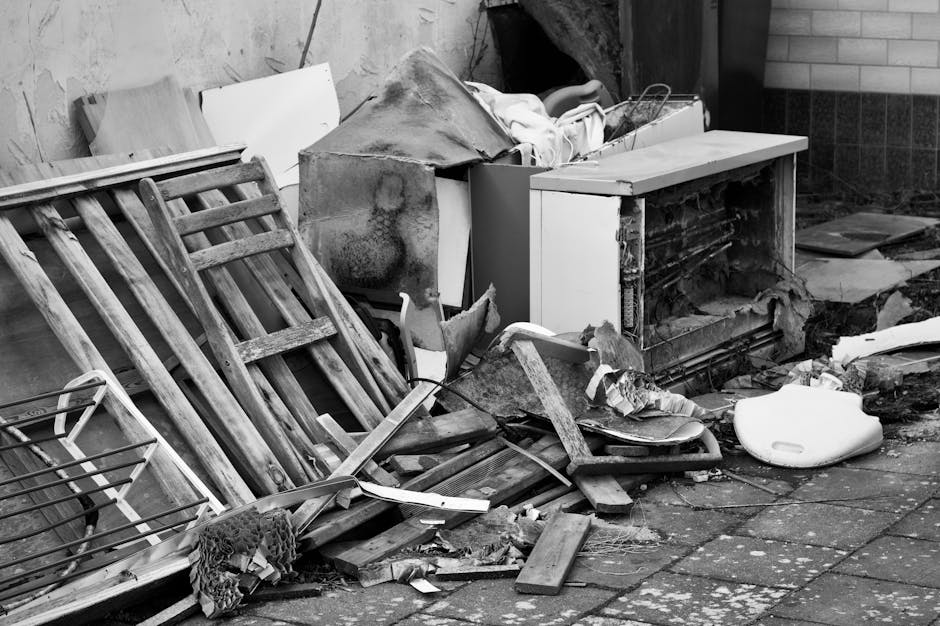
E3 estate clearance rubbish removal Campbell Road
Posted on 23/10/2026
E3 Estate Clearance Rubbish Removal Campbell Road: A Practical Guide for Faster, Cleaner Clearances
If you are dealing with a flat, house, probate property, or a rental in Bow, E3 estate clearance rubbish removal Campbell Road can feel like a lot to juggle at once. There is the sorting, the lifting, the access issues, the neighbour concerns, and the nagging question of what happens to everything once it leaves the property. Truth be told, that is usually where the stress starts.
This guide breaks the process down in plain English. You will find out what estate clearance actually involves, how rubbish removal on Campbell Road tends to work in real life, what to watch out for, and how to choose a sensible approach that saves time without cutting corners. If you need related help beyond estate clearance, you may also find house clearance in Bow and waste clearance services useful for wider property clean-outs.
There is no magic trick here. But there is a smarter way to handle it.

Why E3 estate clearance rubbish removal Campbell Road Matters
Estate clearance is never just "getting rid of stuff". It is usually tied to a major life event: bereavement, a property sale, the end of a tenancy, downsizing, or a long-overdue clear-out that has been put off for months. On Campbell Road, where access, parking, and busy local traffic can complicate loading, a structured rubbish removal plan makes a real difference.
When a property is left full, every other part of the process becomes slower. Estate agents cannot stage properly. Solicitors and family members end up waiting. Tradespeople may struggle to get in and do repairs. And the longer items sit there, the more likely you are to face extra costs for storage, lost rental days, or a delayed sale. Nobody wants that, especially when time is already tight.
There is also a practical comfort in getting it done methodically. A room that has been half-cleared can feel oddly heavier than one that is still untouched. A full and proper estate clearance makes the property easier to inspect, clean, value, and hand over. For many people, that relief matters as much as the physical space itself.
If the clearance is part of a wider property project, local context matters too. Bow has a lively mix of older homes, flats, conversions, and commercial spaces. That means estate waste can range from standard household items to bulky furniture, old appliances, loft contents, or even leftover trade debris from a renovation. A service that understands the area and the type of property often saves a few headaches. In that sense, it sits naturally alongside broader local clearance services and rubbish collection in Bow.
How E3 estate clearance rubbish removal Campbell Road Works
The process is usually straightforward, but the best results come from a clear plan. Most estate clearances follow a sequence like this:
- Initial assessment - The property is reviewed, either from photos, a call, or an in-person visit, so the team can estimate volume, access, and special items.
- Sorting and separation - Items are identified for keeping, donating, recycling, reuse, or disposal. This step is where families often need a bit of breathing room.
- Removal and loading - Furniture, bags, white goods, loose waste, and other contents are removed carefully, with attention to stairways, shared hallways, and neighbours.
- Responsible handling - Reusable and recyclable materials are separated where possible rather than simply mixed together. That's the decent way to do it, and it usually makes sense commercially too.
- Final sweep - The property is left tidy and ready for the next stage, whether that is cleaning, refurbishment, valuation, or sale.
For estate jobs, the key difference from a standard rubbish collection is judgement. Someone has to know which items can be removed immediately and which ones need extra care. Old paperwork, personal belongings, photos, letters, valuables, and sentimental items are easy to miss in a rush. A good team slows down at the right moments.
It also helps if the provider is set up for mixed loads. Estate properties rarely contain just one type of waste. You might have old wardrobes, broken chairs, bagged refuse, loft clutter, and a fridge all in one house. That is where services such as furniture removal, white goods disposal, and loft clearance can become relevant as part of a larger estate job.
Key Benefits and Practical Advantages
The benefits of using a professional estate clearance and rubbish removal service are mostly practical, but they add up quickly.
- Less stress - You are not trying to sort, lift, load, and transport everything yourself.
- Faster turnaround - A full property can often be cleared much quicker than a DIY approach, especially where stairs or bulky items are involved.
- Better decision-making - An experienced team can help you separate keep, donate, recycle, and dispose items without turning the house into chaos.
- Improved safety - Heavy lifting, awkward corners, and old items with sharp edges are handled by people used to the work.
- Cleaner handover - The property is left more presentable for cleaners, agents, buyers, or builders.
- More responsible disposal - Reusable and recyclable items can be diverted from landfill where possible.
There is also a less obvious advantage: clarity. When a property is packed, decisions drag. Once the clearance is underway, people tend to see the space more clearly and make choices faster. That can be especially helpful during probate or family-led clearances, where everyone has an opinion and nobody really wants to be the one making the final call. A tidy room cuts through that noise.
And yes, sometimes the nicest benefit is simply not having to borrow a van, wear gloves for three hours, and discover a broken lamp wrapped around a mystery extension lead. We have all seen that sort of thing. Not glamorous.
Who This Is For and When It Makes Sense
This type of clearance is useful for a fairly wide range of people. It is not only for bereavement situations, although that is often where the need is most urgent.
- Families handling probate or inheritance - when a home needs to be cleared respectfully and efficiently.
- Landlords and letting agents - after tenancies end, especially if items have been abandoned.
- Homeowners downsizing - when you are moving to a smaller property and not everything can come with you.
- Buyers preparing a purchase - if the property you have bought comes with unwanted contents, which happens more often than people expect.
- Builders and decorators - when clearance is needed before refurbishment begins.
- Executors and solicitors - when there is pressure to present a property cleanly and on time.
It also makes sense when there are multiple waste types on site. For instance, a flat off Campbell Road may contain old living room furniture, bags of miscellaneous rubbish, and a few items from a recent update. In that case, combining estate clearance with furniture disposal or general waste disposal is often the simplest route.
Ask yourself one practical question: do you want to spend your time managing the clear-out, or managing the next step after the clear-out? That usually answers the question for you.
Step-by-Step Guidance
If you are planning E3 estate clearance rubbish removal Campbell Road, a sensible workflow keeps things calmer and less wasteful.
- Walk the property first
Make a rough note of each room, loft, shed, cupboard, and communal space. You do not need a perfect inventory, just enough to understand the scale. - Separate essentials from clearance items
Keep documents, keys, medication, financial paperwork, jewellery, and anything personal aside immediately. If in doubt, set it to one side and review later. - Flag awkward items early
Things like pianos, American-style fridges, large wardrobes, and water-damaged furniture can affect access and time. Better to mention them upfront than on the day. - Check building access
Note stair width, lift availability, parking restrictions, and whether neighbours need to be informed. On a road like Campbell Road, access planning is not a small detail; it can decide how smoothly the job goes. - Arrange the right type of service
Estate clearance may need a mix of services rather than one generic collection. Depending on the property, that could include house clearance, office clearance for mixed-use premises, or garden waste removal if the outside space has been neglected too. - Schedule the clearance before final cleaning
This is one of those small but important things. Clearing first makes cleaning far more effective and avoids doing the same job twice. - Ask for proof of responsible handling
You want reassurance that the waste will be dealt with properly, especially where mixed household loads are involved.
A simple rule helps here: do not over-sort before the team arrives, but do not leave everything untouched either. Do enough to protect the important bits, then let the clearance crew handle the heavy lifting and disposal. That balance tends to work best.
Expert Tips for Better Results
Here are the details that often make a clearance go more smoothly.
- Photograph each room before you start - useful for records, insurance, family members, or just keeping track of what was where.
- Label keep, donate, and remove piles - even a few sticky notes can save time later.
- Check for hidden spaces - lofts, under-bed storage, airing cupboards, and garden sheds often hold the most time-consuming clutter.
- Tell people about sentimental items - this sounds obvious, but really, it is the things hidden in drawers and box files that cause the most last-minute concern.
- Choose a team used to mixed loads - estate properties are rarely neat, and a flexible approach matters more than a flashy promise.
- Plan the day around access windows - if parking is limited or neighbours share an entrance, timing makes a difference.
One local detail worth remembering: Bow properties can vary a lot even within a short distance. A Victorian terrace, a newer apartment block, and a converted commercial unit will all bring different access and disposal challenges. The more specific you are during booking, the better the outcome tends to be.
And if a room feels overwhelming, start with the easiest corner. It sounds too simple to matter, but it does. Momentum is a real thing.

Common Mistakes to Avoid
Most clearance problems are avoidable. The trouble is, they usually only become obvious once the job has already started.
- Leaving the sort-out until the last minute - this creates pressure and increases the chance of throwing away something important.
- Not checking access - a full van can be delayed by something as ordinary as a tight stairwell or blocked parking bay.
- Mixing keep items with rubbish - it happens all the time, especially during rushed family clearances.
- Choosing on price alone - cheap can be tempting, but it is not much use if the service is slow, unclear, or careless.
- Ignoring specialist items - appliances, mattresses, and certain bulky materials may need different handling from ordinary waste.
- Forgetting to plan the next stage - if cleaners, decorators, or valuers need access, the clearance should fit their schedule too.
Another common mistake is assuming every clearance needs to be done in one go. Sometimes it does. Sometimes it absolutely does not. If the property contains sentimental items or legal paperwork that needs review, a phased approach is often more sensible. No one gets extra points for rushing a difficult decision.
Tools, Resources and Recommendations
You do not need a warehouse full of equipment, but a few simple tools make the process easier.
- Strong boxes and bags for sorting papers, keepsakes, and loose items.
- Permanent labels or marker pens to mark what stays, what goes, and what needs reviewing.
- Gloves and sturdy footwear for anyone sorting items before the team arrives.
- Basic room-by-room list to stop important spaces being overlooked.
- Phone camera for quick records of contents, awkward items, or property condition.
From a service perspective, it helps to work with a provider that offers more than one type of clearance. For example, if the estate contains both domestic clutter and leftover building debris, it may be sensible to pair the job with builders' waste disposal or builder waste disposal in the E3 area. That way, the waste streams are handled properly instead of being mashed into one confused pile. Messy is not a strategy.
For broader background reading on local living and property movement, the site also has helpful context in local insights about living in Bow and the Bow property buying guide. Those pieces are not about clearance directly, but they do give you a better feel for the local market and the way properties are used in the area.
Law, Compliance, Standards, or Best Practice
Estate clearance is one of those jobs where good practice matters. You may not be thinking about compliance while standing in a hallway full of boxes, but the way waste is handled still matters.
In the UK, anyone removing waste for payment should be properly set up to do so, and customers should be comfortable asking how waste will be handled. That includes whether items are being reused, recycled, or disposed of responsibly. It is also sensible to use a provider that can explain its processes clearly and plainly, without fluff. If you want to understand more about that side of things, waste carrier licence and compliance is a useful place to start.
Best practice in estate clearance usually includes:
- separating reusable items where practical
- keeping personal documents and valuables secure
- avoiding fly-tipping risks by using legitimate disposal routes
- being careful in shared buildings and common areas
- protecting floors, walls, and stairwells during removal
Safety matters too. Heavy items, old glass, damp paper, mouldy contents, and unstable furniture can all pose risks if they are rushed. A decent team works cautiously, not theatrically. That might sound boring, but boring is excellent when you are trying to avoid a hallway accident.
For reassurance around related operational standards, it can also be worth reviewing the company's pages on insurance and safety, recycling and sustainability, and terms and conditions. Those pages help set expectations before anyone turns up at the door.
Options, Methods, or Comparison Table
There are usually three ways people approach estate rubbish removal on Campbell Road. The best one depends on time, volume, and how much handling you want to do yourself.
| Method | Best for | Pros | Watch out for |
|---|---|---|---|
| DIY clear-out | Very small loads and lots of spare time | Full control, can be cheaper if you already have transport | Heavy lifting, multiple trips, sorting stress, disposal mistakes |
| Partial professional clearance | Properties with mixed contents or selected items to keep | Good balance of control and convenience | Needs clear instructions and a careful handover |
| Full estate clearance service | Probate, sale preparation, end-of-tenancy, or large-scale clear-outs | Fast, organised, less physical strain | Requires trust in the provider and good communication at the start |
If the property has multiple waste types, a combined approach is often the sweet spot. For example, you might need furniture removal, appliance disposal, and general clearance all in one visit. That is much easier than trying to coordinate different collections one after the other.
Case Study or Real-World Example
Imagine a typical two-bedroom flat near Campbell Road. The family has inherited the property and needs it ready for valuation within a short window. Inside, there are wardrobes, a sofa, boxed household items, kitchen clutter, old paperwork, and a loft space full of mixed bits and pieces. Nothing outrageous. Just enough to make the room feel smaller every time you open a door.
The first step is to separate personal papers and anything clearly sentimental. The next is to identify bulky furniture, fragile items, and anything likely to need special handling. Then the clearance is booked so the property can be emptied before a deep clean and minor repairs. The end result is simple: the rooms are usable again, the family can move forward, and the property is far easier to present to the market.
In a similar situation, a landlord with a partially abandoned tenancy may use the same approach but add a fast turnaround because a new tenant is waiting. That is where local responsiveness matters. If you want same-day or rapid support for a nearby job, local rubbish removal on Bow Road and a quick read of E3 junk removal coverage can be helpful context.
The lesson is not that every job looks the same. Far from it. The lesson is that a calm, ordered process almost always beats a rushed one.
Practical Checklist
Use this before the clearance day. It will save time. Possibly a lot of time.
- Walk through every room, including lofts, sheds, cupboards, and outbuildings
- Remove valuables, personal documents, keys, and sentimental items first
- Mark anything that must be kept, donated, or reviewed later
- Take photos of the property and any awkward items
- Note parking, stair access, lifts, and entry restrictions
- Identify bulky items such as beds, wardrobes, sofas, and fridges
- Decide whether garden waste, loft contents, or appliances are included
- Check whether cleaning or repairs need to happen immediately after
- Confirm the provider can handle mixed waste responsibly
- Keep contact details ready on the day in case access changes
A quick pre-clearance check like this helps reduce mistakes and keeps the day moving. It also gives you a bit more control at a time when things can feel uncomfortably out of your hands.
Get a free quote today and see how much you can save.
Conclusion
E3 estate clearance rubbish removal Campbell Road is really about making a difficult job manageable. Whether the property is tied to probate, a move, a tenancy ending, or a much-needed reset, the right approach reduces friction and gets the space ready for what comes next.
The best clearances are the ones that feel organised, respectful, and steady. Not rushed. Not chaotic. Just properly handled. If you plan early, protect personal items, and choose a team that understands access, waste streams, and local expectations, the whole process becomes easier than it first appears.
And once the last bag is gone and the rooms open up again, there is usually a small but real sense of relief. Not fireworks. Just calm. Which, to be fair, is often exactly what you need.